
Table of Contents
Introduction
In the modern world of fashion and technology, analog vs digital watches have become more than just tools to tell time—they are statements of style, innovation, and personal expression. While analog watches maintain their classic elegance and traditional craftsmanship, digital watches have transformed into multifunctional smart devices that blend convenience with cutting-edge technology. Understanding watch technology trends allows enthusiasts and casual wearers alike to make informed choices that align with both their fashion sense and lifestyle needs.
Watches have evolved dramatically over the years, moving from simple timekeeping instruments to sophisticated devices that combine artistry, technology, and lifestyle functionality. From hybrid analog-digital models to fully smartwatches with health monitoring, notifications, and connectivity, the options are vast. This article explores the current watch technology trends influencing analog vs digital watches, highlighting innovations, style developments, and lifestyle integrations that are shaping the future of timepieces.
1. Evolution of Watches: From Classic to Smart
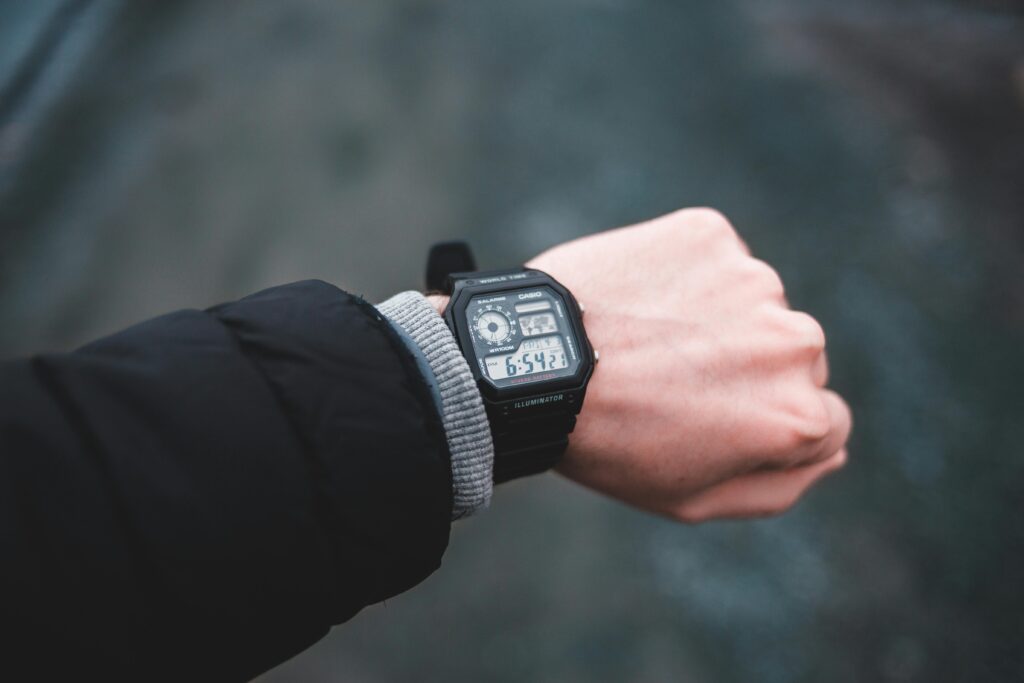
The journey of watches is a fascinating blend of tradition and innovation. Analog watches, with their intricate mechanical gears and timeless designs, symbolize craftsmanship and heritage. For decades, they represented status, elegance, and precision. However, as lifestyles changed, the demand for practicality and multifunctionality led to the rise of digital watches, which offer alarms, backlighting, stopwatches, and easy readability.
Today, hybrid models combine the best of both worlds—classic analog aesthetics with subtle digital functionalities. Watch technology trends now emphasize this fusion, catering to individuals who desire elegance without compromising modern conveniences. The evolution from purely mechanical watches to advanced smart devices reflects broader societal shifts where style, function, and technology intersect seamlessly.
2. Smartwatch Integration in Modern Watches
Smartwatches represent the pinnacle of watch technology trends. Digital watches now include features such as health tracking, GPS navigation, music controls, and smartphone notifications. Hybrid analog-digital watches allow wearers to retain traditional elegance while accessing essential tech functionalities discreetly.
By integrating technology without compromising style, analog vs digital watches now serve dual purposes: fashion statements and lifestyle tools. Whether tracking fitness goals or staying connected on the go, modern watches have transcended their original role, adapting to the demands of an increasingly tech-driven world.
3. Advanced Materials in Watchmaking
Material innovation is a critical component of watch technology trends. Analog watches often utilize premium metals like stainless steel, titanium, and ceramic for durability and luxury appeal. Digital watches, particularly sporty models, incorporate lightweight alloys, carbon fiber, and impact-resistant plastics to enhance comfort and resilience.
Scratch-resistant sapphire crystals, reinforced casings, and innovative strap materials allow both analog and digital watches to withstand daily wear while maintaining their aesthetic appeal. These material advancements highlight how analog vs digital watches are evolving to meet contemporary demands for functionality, style, and longevity.

4. Precision and Battery Innovations
The precision of timekeeping has always been a distinguishing factor between analog vs digital watches. Mechanical analog watches rely on meticulously calibrated gears, while quartz analog watches use crystal oscillators for high accuracy. Digital watches leverage microchips and batteries, with modern models offering long-lasting lithium-ion or solar-powered options.
Watch technology trends now focus on energy efficiency and convenience. Kinetic and automatic analog watches harness wearer movement, while smartwatches optimize battery use for multi-day functionality. These innovations ensure reliability without compromising performance, appealing to users across age groups and lifestyles.
5. Customization and Personalization Features
Modern consumers increasingly seek personalization in their watches. Analog watches offer interchangeable straps, engraved backs, and customizable dials, while digital watches allow software-based customization like changing watch faces, widgets, and display themes.
Personalization is a key watch technology trend, as it allows wearers to express individuality while aligning with fashion and lifestyle preferences. Whether coordinating with outfits, matching occasions, or reflecting personal taste, customization elevates the appeal of analog vs digital watches.
6. Connectivity and Lifestyle Integration
The integration of connectivity features marks a significant watch technology trend. Smartwatches provide notifications, messaging, and app integration, effectively serving as extensions of smartphones. Hybrid analog watches now include subtle tech features like step tracking or Bluetooth notifications.
This connectivity transforms watches into lifestyle tools that blend fashion with utility. Modern analog vs digital watchesno longer simply tell time—they track health, provide alerts, and even support contactless payments, seamlessly integrating into the wearer’s daily routine.
7. Sustainability and Eco-Friendly Innovations
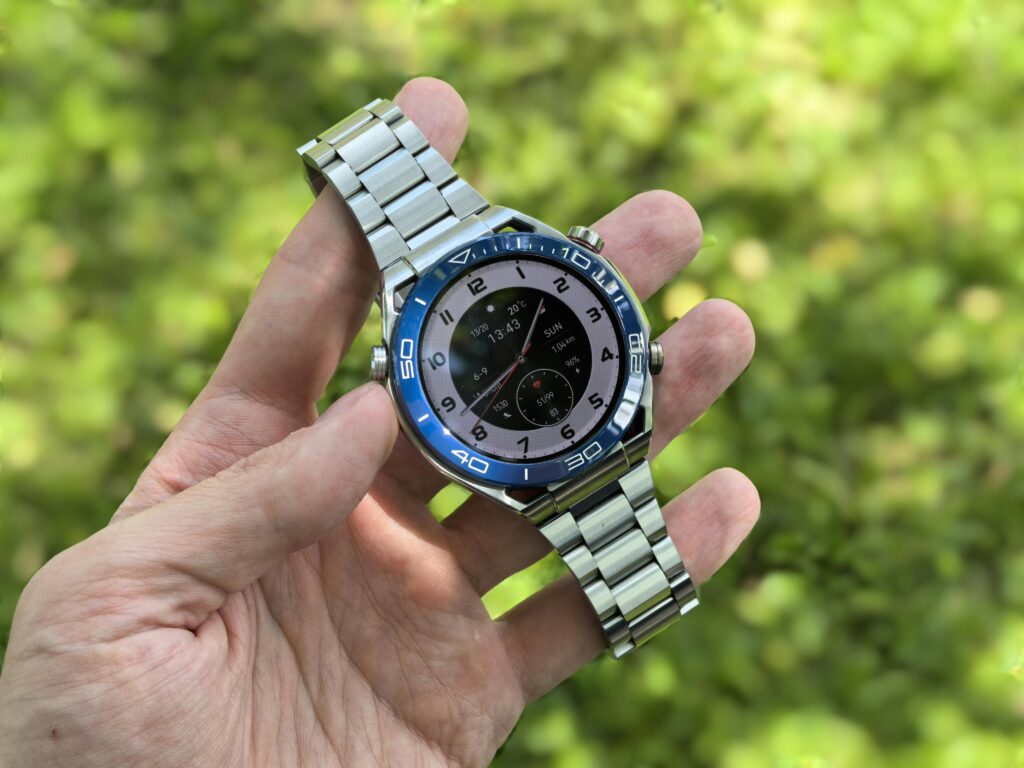
Sustainability is increasingly influencing watch technology trends. Solar-powered digital watches, kinetic analog models, and use of recycled materials reduce environmental impact while maintaining style and functionality.
Eco-conscious consumers now value both aesthetics and responsibility. Analog vs digital watches that adopt sustainable practices align with modern values, demonstrating that luxury, technology, and environmental responsibility can coexist harmoniously.
8. Water Resistance and Durability Trends
Durability is vital for both practical use and consumer confidence. Modern watches are designed to withstand shocks, scratches, and water exposure. Analog watches feature reinforced cases and sapphire crystals, while digital watches often incorporate rugged casings suitable for sports and outdoor activities.
Watch technology trends emphasize that resilience is as important as design. Consumers demand timepieces that perform reliably under diverse conditions, ensuring analog vs digital watches can function across casual, professional, and adventurous settings.
9. Fashion and Style Trends
Watches have become key fashion accessories. Analog watches often lean toward classic, vintage, or minimalist designs, while digital watches embrace modern, sleek aesthetics with customizable displays and colorful straps.
Watch technology trends now focus on merging fashion with functionality. Analog vs digital watches cater to diverse tastes, from understated elegance to bold, tech-driven statements, allowing wearers to showcase personal style in every situation.
10. Collectible and Limited Edition Watches
Limited edition watches have gained popularity as collectors seek unique designs and rare features. Analog watches often highlight intricate craftsmanship, while digital watches offer exclusive tech-driven editions.
These pieces reflect evolving watch technology trends, merging rarity, innovation, and aesthetics. Collectors’ demand drives brands to explore hybrid designs and cutting-edge features, pushing both analog and digital watches to new heights of innovation and desirability.
11. Affordable vs Luxury Watch Technology
The divide between budget and luxury watches is narrowing thanks to technological innovations. Affordable digital watches now offer robust features, customizable interfaces, and durable construction, while luxury analog watches maintain high-end materials and intricate craftsmanship.
Modern watch technology trends bridge this gap, allowing consumers to enjoy functional and stylish timepieces regardless of budget. Analog vs digital watches now cater to varied lifestyles, ensuring options for casual wearers, tech enthusiasts, and luxury collectors alike.
12. Health and Fitness Features in Watches
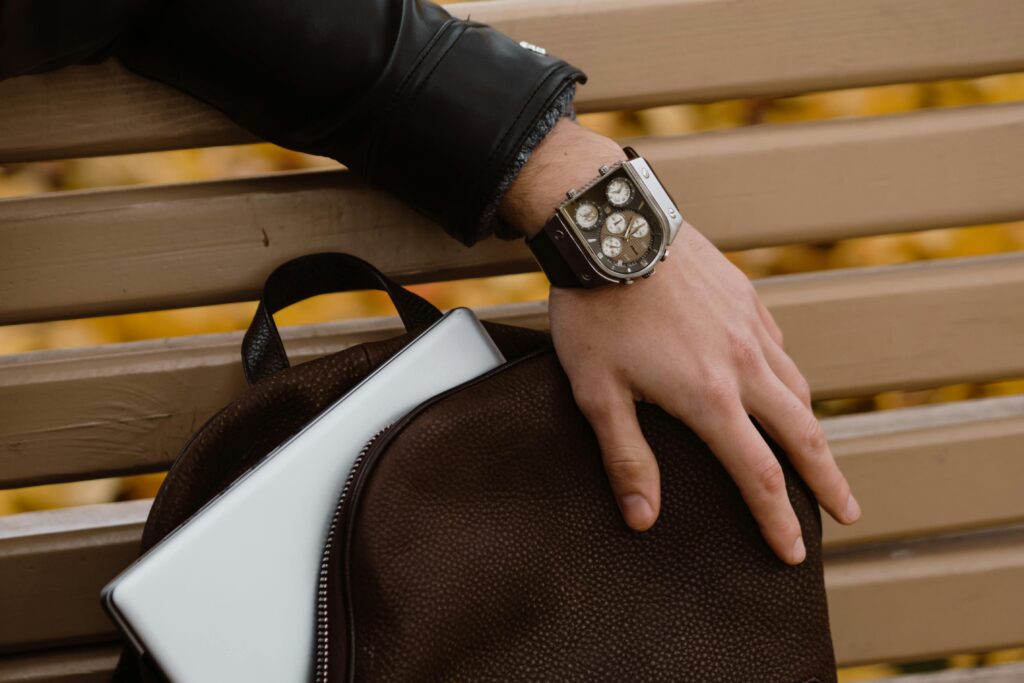
Digital watches are leading in health and fitness monitoring, including heart rate, step count, sleep tracking, and workout analytics. Analog watches increasingly incorporate hybrid sensors for subtle health tracking without compromising design.
Watch technology trends indicate that health integration is a key driver of innovation. Users can now select analog vs digital watches that complement active lifestyles while maintaining aesthetic appeal.
13. GPS, Navigation, and Outdoor Technology
Modern digital watches offer GPS, altimeters, compasses, and other outdoor features. Even analog watches are beginning to incorporate such technologies subtly in hybrid models.
These capabilities reflect watch technology trends aimed at outdoor enthusiasts, travelers, and adventure seekers. The integration of navigation and lifestyle tools positions analog vs digital watches as essential companions for both urban and outdoor environments.
14. Voice Control and AI Integration
Voice-activated digital watches are becoming more common, allowing users to control functions, set reminders, and access apps hands-free. Hybrid watches are slowly adopting AI-powered features, offering a futuristic blend of style and functionality.
Watch technology trends suggest that AI and voice integration will continue to redefine analog vs digital watches, enhancing convenience and user experience without compromising design.
15. Watch App Ecosystem and Software Updates
Digital watches rely on software ecosystems to provide new features and customization options. Continuous updates ensure that watches remain current and functional.
Hybrid analog-digital watches also benefit from app integration, allowing users to merge classic design with digital innovation. These developments reflect watch technology trends focused on longevity, personalization, and user engagement.
16. Cultural and Regional Preferences
Consumer preferences vary across regions, influencing watch designs and tech adoption. In some markets, analog watches are still highly valued for status and tradition, while digital and smartwatches dominate tech-savvy urban populations.
Watch technology trends respond to these cultural influences, with brands designing analog vs digital watches that reflect local style, lifestyle, and functional needs.
17. Safety and Security Features
Modern digital watches offer features like emergency alerts, GPS tracking, and fall detection. Even analog watches in hybrid formats now include subtle safety tech for children, seniors, or outdoor adventurers.
Safety integration reflects emerging watch technology trends, where analog vs digital watches serve both fashion and protective functions.
18. Multi-Time Zone and Travel Features
Travel-friendly watches are increasingly popular. Dual-time analog models and GPS-enabled digital watches help frequent travelers manage multiple time zones with ease.
These innovations showcase watch technology trends addressing global mobility and convenience, highlighting how analog vs digital watches adapt to modern travel needs.
19. Investment Value and Longevity
Luxury analog watches often appreciate in value, while digital watches offer longevity through upgradable software and durable hardware.
Both forms reflect watch technology trends balancing style, innovation, and long-term value.
Investing in analog vs digital watches now involves evaluating craftsmanship, technology, and future relevance, merging traditional and modern criteria.
20. The Future of Analog and Digital Watches
Looking ahead, watch technology trends indicate deeper integration of AI, AR, VR, and wearable health tech. Analog and digital watches will continue to merge tradition with innovation, offering customizable, connected, and eco-friendly solutions.
The future of analog vs digital watches lies in creating versatile, stylish, and intelligent devices that enhance lifestyle while respecting heritage, craftsmanship, and fashion sensibilities.
1. Evolution of Watches: From Classic to Smart
The journey of watches spans centuries, beginning with the classic analog designs that showcased mechanical ingenuity. Traditional analog watches rely on precision engineering, intricate gears, and timeless aesthetics. Over time, digital watches emerged, offering accuracy, easy readability, and multifunctional features such as alarms, stopwatches, and backlighting. Today, we witness a fascinating fusion of analog and digital features in hybrid watches that blend elegance with smart capabilities.
Watch technology trends highlight the shift from purely mechanical craftsmanship to innovations incorporating electronics and wearable tech. The introduction of quartz movements revolutionized timekeeping accuracy, while smartwatches now integrate with smartphones, tracking health metrics, notifications, and more. This evolution reflects changing lifestyles, where convenience, connectivity, and personal expression are equally valued alongside traditional design. The interplay of old and new in analog vs digital watches underscores the continuing relevance of both forms while showcasing the impact of technological progress on everyday accessories.
2. Smartwatch Integration in Modern Watches
One of the most significant watch technology trends is the integration of smart features into traditional timepieces. Modern digital watches now include heart rate monitoring, GPS navigation, and app notifications, bridging functionality with style. Even analog watches are embracing subtle tech, offering hybrid options that maintain classic aesthetics while providing essential digital features.
Hybrid watches exemplify this trend, combining a traditional dial with smart sensors and connectivity options. This allows wearers to enjoy the sophistication of analog design alongside the practical benefits of digital innovation. Watch technology trends reveal that the market is increasingly embracing such hybrids, reflecting consumer desires for versatile timepieces that can transition seamlessly from work environments to fitness activities. By understanding these developments, individuals can make more informed choices between analog vs digital watches, considering both form and function.
3. Advanced Materials in Watchmaking
Modern analog vs digital watches benefit from breakthroughs in materials science. Luxury analog watches often utilize stainless steel, titanium, sapphire crystal, and ceramic to enhance durability and aesthetics. Digital watches, particularly sports and tech-oriented models, incorporate lightweight alloys, carbon fiber, and impact-resistant plastics. These materials improve wearability while addressing consumer demand for long-lasting, stylish, and functional watches.
Watch technology trends also emphasize scratch-resistant coatings, waterproofing, and shock-proof designs. For instance, high-end analog watches may feature sapphire glass that resists scratches and maintains clarity, while digital smartwatches are designed to withstand rigorous activities and water exposure. Innovations in materials not only extend the life of watches but also enhance their versatility, making analog vs digital watches suitable for diverse environments, from professional settings to outdoor adventures.
4. Precision and Battery Innovations
A key differentiator between analog vs digital watches lies in precision and power sources. Analog watches, whether mechanical or quartz, offer remarkable accuracy through gears, springs, and crystal oscillators. Digital watches, particularly smartwatches, rely on batteries and microchips to function. Watch technology trends now emphasize energy efficiency, with solar-powered analog watches and long-lasting lithium-ion batteries in digital models.
Battery innovations allow digital watches to operate for days without recharging, while kinetic and automatic analog movements convert wearer motion into energy. These advances demonstrate how analog vs digital watches are adapting to modern demands for convenience and reliability. Whether prioritizing craftsmanship, style, or functionality, users benefit from watches that marry technological progress with traditional reliability.
5. Customization and Personalization Features
Modern watch enthusiasts increasingly value personalization, making customization a major aspect of watch technology trends. Both analog and digital watches now offer ways to adapt the watch to personal style and lifestyle. Analog watches feature interchangeable straps, engraved backs, and customizable dials, allowing wearers to create a unique timepiece that reflects their personality. Meanwhile, digital watches provide software-based personalization, such as changing watch faces, widgets, and even integrating health or fitness apps.
These features highlight the versatility of analog vs digital watches, offering options for fashion-conscious consumers and tech-savvy users alike. By embracing customization, wearers can seamlessly coordinate watches with different outfits, occasions, and moods. Watch technology trends indicate that personalization is not just a luxury; it is becoming an expected standard for consumers who desire individuality and expression in both form and function.
6. Connectivity and Lifestyle Integration
Connectivity is at the forefront of watch technology trends. Digital watches, particularly smartwatches, integrate seamlessly with smartphones, providing notifications, call management, fitness tracking, and GPS navigation. Even analog watches are evolving to support hybrid models that maintain the classic aesthetic while offering subtle tech features such as step counting, Bluetooth alerts, or app notifications.
The modern consumer demands watches that do more than tell time. Analog vs digital watches now function as lifestyle tools, helping users monitor health, manage schedules, and even make contactless payments. The integration of technology with everyday life enhances the practicality of watches, allowing them to serve as both fashion accessories and essential digital companions. These advancements reflect watch technology trends focused on merging style, utility, and convenience in a single device.
7. Sustainability and Eco-Friendly Innovations
Sustainability has become a critical consideration in modern watchmaking. Watch technology trends highlight eco-friendly innovations such as solar-powered digital watches, kinetic analog watches, and the use of recycled or responsibly sourced materials. Brands are adopting green manufacturing practices, from low-energy electronics to biodegradable straps and packaging.
For analog vs digital watches, sustainability not only reduces environmental impact but also adds long-term value. Solar-powered analog movements reduce battery waste, while energy-efficient digital watches extend device life. Consumers increasingly prefer products that align with eco-conscious values, making sustainability an essential part of contemporary watch trends. These practices demonstrate that watch technology trends are moving toward responsibility, without compromising style or functionality.
8. Water Resistance and Durability Trends
Durability and water resistance are key factors in the evolution of analog vs digital watches. Modern watches are engineered to withstand various environmental conditions, from daily wear to extreme sports. Watch technology trendsinclude innovations like shock-resistant digital models, sapphire crystal analog dials, and reinforced casings that protect against water and impact damage.
For adventure enthusiasts, athletes, and even office-goers, durability ensures that watches remain functional and stylish over time. Water-resistant analog watches allow users to swim or shower without concern, while rugged digital watches support outdoor and fitness activities. These advancements illustrate how analog vs digital watches are evolving to meet lifestyle demands while retaining aesthetic appeal.
9. Fashion and Style Trends
While functionality is important, style continues to be a significant driver of watch technology trends. Analog watches embrace classic, vintage, and minimalist designs, often incorporating luxurious materials and refined craftsmanship. Digital watches, on the other hand, experiment with sleek, modern aesthetics, colorful straps, and interactive interfaces to match contemporary fashion trends.
Consumers increasingly consider analog vs digital watches as integral style statements. Coordinating watches with outfits, accessories, and occasions is now part of fashion consciousness. From bold statement timepieces to subtle, elegant models, watches are no longer just practical tools—they are key elements of personal expression. The combination of technology and style ensures that watches appeal to diverse audiences with varying tastes and lifestyles.
10. Collectible and Limited Edition Watches
The collector market continues to influence watch technology trends. Limited edition analog watches often feature unique designs, premium materials, and intricate craftsmanship, attracting enthusiasts and investors alike. Digital watches also see exclusivity in the form of limited tech-enabled models or collaborations with designers and brands.
These collectible pieces exemplify how analog vs digital watches can transcend mere functionality to become symbols of prestige and fashion-forward thinking. Trends in watch collecting highlight innovation, artistry, and technology, showing that modern timepieces are valued for aesthetics, rarity, and technical excellence. Collectors often drive design and technology decisions, pushing brands to innovate while honoring tradition.
Conclusion
Analog vs digital watches are no longer just instruments for time—they are fashion statements, lifestyle tools, and technology hubs. From hybrid designs to eco-friendly innovations, wearable health tech, and AI integration, watch technology trends demonstrate the fusion of elegance, utility, and innovation.
Understanding these trends allows consumers to select watches that match personal style, lifestyle, and technological needs. Whether you prefer the classic sophistication of analog watches or the multifunctionality of digital models, the right timepiece is now a reflection of personality, function, and future-ready design.