
Table of Contents
Introduction to Outfit Coordination Tips
Outfit coordination tips are essential for anyone looking to enhance personal style and make the most of their wardrobe. In today’s fast-paced world, women often struggle with figuring out how to combine clothing items in a way that looks polished and intentional. Understanding mix and match outfits can simplify this process, allowing individuals to create versatile ensembles without buying excessive new pieces. The art of outfit coordination is about more than just clothing; it’s about self-expression, confidence, and creating a visual story through fashion choices. Learning outfit coordination tips empowers women to explore their creativity while ensuring every outfit reflects their personality and taste.
Wardrobe efficiency is another important benefit of mastering outfit coordination. By strategically pairing existing pieces, women can maximize their wardrobe potential, ensuring that each item serves multiple purposes. Mix and match outfits encourage experimentation, inspiring new combinations and innovative styling ideas. For instance, a basic white shirt can be worn with tailored trousers for a professional look, layered under a printed dress for a creative twist, or paired with jeans and statement accessories for casual outings. Outfit coordination tips help transform even the simplest clothing items into stylish ensembles, providing both functional and aesthetic benefits. Additionally, the ability to coordinate outfits effectively fosters confidence, as women feel prepared and elegant in every setting.
Furthermore, outfit coordination is a critical tool for adapting to fashion trends while maintaining personal style. Mix and match outfits allow women to incorporate seasonal trends without overhauling their entire wardrobe. Outfit coordination tips highlight the importance of balancing trendy pieces with timeless staples, ensuring that each outfit is contemporary yet classic. By learning these tips, women can achieve a cohesive look that blends comfort, style, and individuality, making daily dressing an enjoyable and creative process rather than a stressful task.
Understanding Mix and Match Outfits
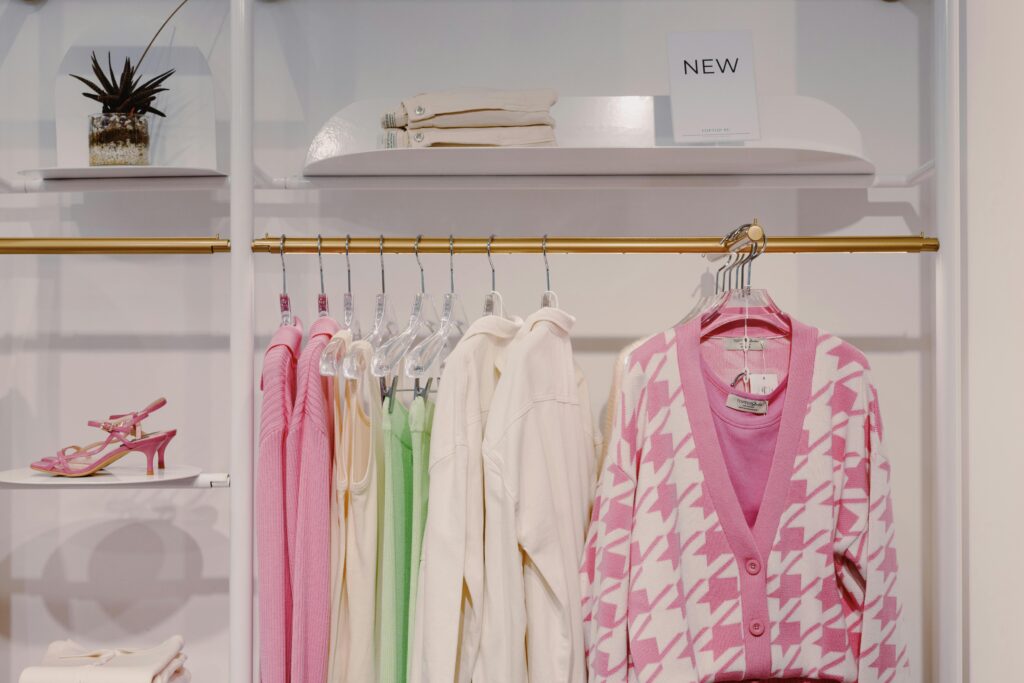
Mix and match outfits involve combining different clothing pieces, colors, patterns, and textures to create cohesive and visually appealing ensembles. The goal is to achieve balance and harmony, so each element complements the other rather than appearing mismatched. Outfit coordination tips provide guidance on combining clothing items effectively, helping women experiment with new styles while avoiding fashion mishaps. By understanding the principles behind mix and match outfits, anyone can create versatile, polished, and stylish looks suitable for various occasions.
Color theory is a central component of successful mix and match outfits. Outfit coordination tips suggest using complementary and contrasting colors thoughtfully to achieve balance. For example, pairing a bright top with neutral bottoms or coordinating patterned accessories with solid-colored clothing creates visual harmony. Mix and match outfits also rely on understanding proportions; combining oversized pieces with fitted garments or layering different textures adds depth and interest to an ensemble. Outfit coordination tips emphasize experimenting carefully, allowing women to discover combinations that work for their body shapes, skin tones, and personal preferences.
Patterns and textures further enhance the creativity and uniqueness of mix and match outfits. Outfit coordination tips encourage pairing stripes with florals, polka dots with solids, or mixing different fabric textures such as denim, silk, and cotton. By thoughtfully combining these elements, women can achieve visually dynamic and stylish ensembles that reflect their personality and fashion sensibilities. Mix and match outfits not only allow for self-expression but also promote wardrobe efficiency, as one piece can be styled in multiple ways to create distinct looks.
Another critical aspect of mix and match outfits is layering. Layering adds dimension, versatility, and adaptability to an ensemble, allowing women to transition between different environments and seasons seamlessly. Outfit coordination tips include layering jackets over tops, cardigans over dresses, or scarves and belts to accentuate proportions. Proper layering can transform simple basics into sophisticated looks, enhancing both comfort and style. By mastering layering techniques, women can create functional yet fashionable outfits that are suitable for casual, professional, and formal occasions alike.
1. Start with Wardrobe Essentials
Building a versatile wardrobe starts with essential pieces that serve as the foundation for mix and match outfits. Outfit coordination tips emphasize the importance of staples such as a crisp white shirt, a tailored black blazer, classic denim jeans, neutral skirts, and a little black dress. These basics act as anchors, allowing women to pair them with statement pieces, bold colors, or textured items to create multiple stylish ensembles. By having a strong set of wardrobe essentials, women can experiment confidently with mix and match outfits, knowing that the core items will always complement any combination.
Wardrobe essentials are not just about clothing; they also include versatile shoes and simple accessories like belts or scarves. Outfit coordination tips suggest using these staples creatively to maximize outfit potential. For instance, a neutral blazer can be worn over a colorful top for a professional look, paired with jeans for casual outings, or layered over a dress for evening events. Similarly, basic shoes, such as black pumps or white sneakers, can be coordinated with different outfits to enhance style and functionality. By mastering wardrobe essentials, women can simplify daily dressing while creating diverse and polished mix and match outfits that feel both personal and practical.
Another aspect of wardrobe essentials involves selecting pieces that fit well and suit your body shape. Outfit coordination tips recommend investing in high-quality basics that flatter the figure, as proper fit enhances the overall appearance of any ensemble. Mix and match outfits built around well-fitted staples automatically appear more refined and stylish. By understanding the value of wardrobe essentials, women not only save time and money but also gain the ability to craft outfits that are versatile, flattering, and aligned with their unique style.
2. Master Color Coordination
Color coordination is one of the most important elements of outfit coordination tips. Mixing and matching colors effectively can elevate an outfit from ordinary to striking, making mix and match outfits visually appealing and stylish. Understanding how to balance bold, neutral, and pastel shades ensures that the ensemble looks cohesive rather than chaotic. Outfit coordination tips suggest using complementary colors—opposites on the color wheel—and analogous colors—adjacent shades—to create harmonious looks that naturally draw attention.
Incorporating color into mix and match outfits is also about experimenting with patterns and textures while keeping a sense of balance. For example, a bright top can be paired with neutral bottoms, or a patterned scarf can complement a solid-colored dress. Outfit coordination tips emphasize avoiding excessive clashing by maintaining one dominant color or pattern in the outfit. Using colors strategically allows women to highlight specific features, create a sense of proportion, and project confidence. Seasonal color trends can also be incorporated into mix and match outfits, keeping ensembles modern while staying true to personal style.
Accessories play a vital role in color coordination as well. Outfit coordination tips suggest using bags, shoes, or jewelry to introduce pops of color or to tie together contrasting pieces. For instance, a vibrant handbag can accent a neutral outfit, while a pair of colored shoes can harmonize an otherwise simple ensemble. By mastering color coordination, women can make mix and match outfits more dynamic, versatile, and expressive, ensuring that each combination looks intentional and stylish.
3. Play with Patterns and Textures
Patterns and textures add personality, depth, and visual interest to mix and match outfits. Outfit coordination tips encourage women to experiment with stripes, florals, polka dots, and solids, as well as various fabrics such as silk, denim, cotton, and leather. Mixing patterns and textures can make outfits feel dynamic and creative, but the key is to maintain balance. Outfit coordination tips provide strategies to combine patterns successfully, such as pairing smaller prints with larger prints, or mixing one patterned item with neutral basics to avoid visual overload.
Textures also play a crucial role in outfit coordination. For instance, combining a chunky knit sweater with sleek leather pants or a flowy chiffon blouse with structured denim creates a tactile and visually appealing contrast. Outfit coordination tips highlight the importance of balancing weight and proportion when mixing textures, ensuring that the overall ensemble remains flattering and cohesive. Mix and match outfits that thoughtfully combine patterns and textures showcase personal style and creativity, allowing women to experiment without sacrificing elegance or sophistication.
Accessories can further enhance patterns and textures in an outfit. Outfit coordination tips suggest layering scarves, belts, or jewelry with varied textures to create depth and dimension. For example, a silk scarf over a textured sweater can add a touch of elegance, while patterned shoes can harmonize with simpler clothing pieces. By understanding how patterns and textures interact, women can create mix and match outfits that are visually striking, expressive, and versatile, transforming even basic wardrobe staples into standout ensembles.
4. Layering for Style and Comfort
Layering is one of the most effective ways to elevate mix and match outfits while adding versatility and functionality. Outfit coordination tips emphasize that proper layering allows women to adapt their ensembles for varying temperatures, occasions, and moods. By combining jackets, cardigans, vests, and scarves, women can create visually appealing layers that enhance both style and comfort. Mix and match outfits built with layering techniques provide the flexibility to transition from casual daytime looks to more sophisticated evening ensembles effortlessly.
One of the key principles in layering is balancing proportions. Outfit coordination tips suggest pairing fitted pieces with oversized layers, such as a slim top under a structured blazer or a tight turtleneck beneath a loose cardigan. This approach creates dimension while ensuring that the outfit remains flattering. Additionally, layering allows for creative experimentation with textures and colors, such as wearing a denim jacket over a silk blouse or adding a patterned scarf over a monochrome outfit. By mastering layering, women can develop mix and match outfits that are not only stylish but also functional, adaptable, and comfortable for any occasion.
Layering also extends to accessories, which can serve as the final piece to tie an outfit together. Outfit coordination tips encourage using belts, hats, and jewelry in combination with layered clothing to create cohesive and polished looks. For example, cinching a loose cardigan with a stylish belt adds structure while enhancing the layered effect. Through thoughtful layering, women can transform simple clothing items into sophisticated, multi-dimensional mix and match outfits, maximizing wardrobe potential and style versatility.
5. Accessory Pairing Tips
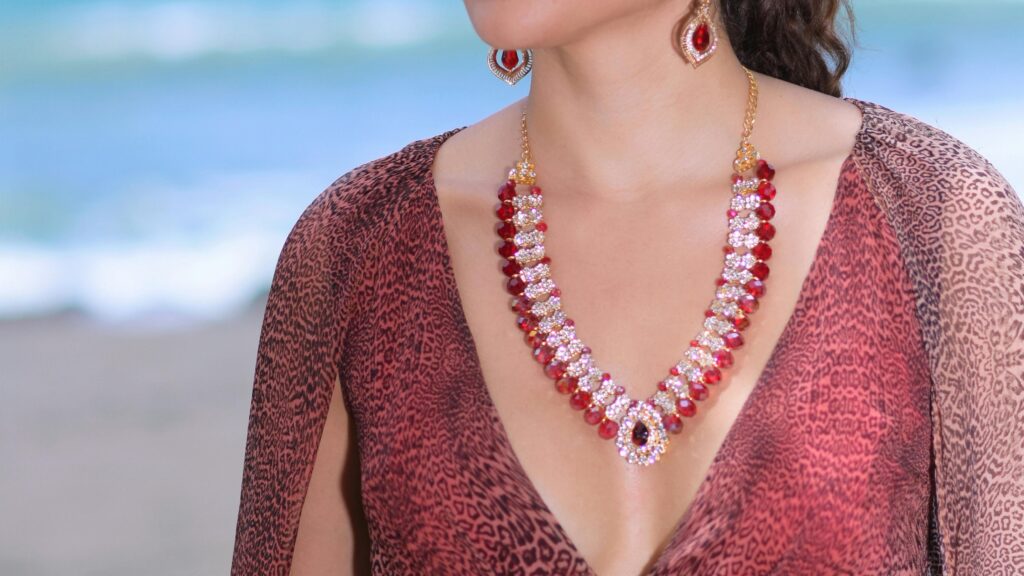
Accessories are vital in completing mix and match outfits and adding a personal touch. Outfit coordination tips emphasize the importance of pairing jewelry, bags, belts, shoes, and scarves thoughtfully to enhance the overall look. Accessories have the power to unify diverse elements within an outfit, highlighting key pieces while creating balance and harmony. Strategic accessory pairing ensures that mix and match outfits feel cohesive and polished rather than disjointed.
When coordinating accessories, it’s important to consider color, texture, and scale. Outfit coordination tips suggest using accessories to introduce subtle pops of color or to complement existing patterns in an outfit. For example, a colorful handbag can brighten a neutral outfit, while metallic jewelry can harmonize with printed clothing. Shoes also play a significant role in outfit coordination; pairing bold footwear with simple clothing or neutral shoes with patterned outfits can create visual balance. Belts, hats, and scarves further contribute to layering, adding structure, elegance, and sophistication to mix and match outfits.
Accessories also allow women to experiment with seasonal trends while maintaining a consistent personal style. Outfit coordination tips highlight the versatility of accessories in transforming outfits for different occasions, from casual daywear to formal evening ensembles. By thoughtfully integrating accessories, women can elevate mix and match outfits, turning even basic wardrobe pieces into stylish, expressive, and well-coordinated ensembles that reflect their unique personality.
6. Casual Daytime Mix and Match Outfits
Casual outfits demand a balance between comfort and style, and mix and match outfits provide the perfect opportunity to achieve both. Outfit coordination tips suggest starting with basic pieces such as denim jeans, simple t-shirts, casual skirts, or relaxed tops, and pairing them creatively to achieve effortless yet stylish looks. These casual ensembles allow women to express personality through color, pattern, and texture while maintaining comfort throughout the day.
Examples of casual daytime mix and match outfits include pairing a printed top with neutral denim jeans, layering a lightweight cardigan over a plain dress, or accessorizing a simple outfit with sneakers and minimal jewelry. Outfit coordination tips also recommend experimenting with casual layering, such as combining a denim jacket with a striped tee or a knit sweater with a flowy skirt. These combinations demonstrate that casual attire can be both practical and fashion-forward, allowing women to explore creativity in mix and match outfits without compromising ease or functionality.
Furthermore, casual daytime outfits offer ample opportunity to play with seasonal trends. Outfit coordination tips suggest incorporating lightweight fabrics and bright colors for warmer months, while layering with textured knits and scarves for cooler seasons. By mastering casual mix and match outfits, women can maintain variety in their daily looks, ensuring that each ensemble appears thoughtfully coordinated, stylish, and reflective of personal taste.
7. Workwear Mix and Match Ideas
Creating stylish workwear requires balancing professionalism with personal flair, and mix and match outfits are a perfect solution. Outfit coordination tips suggest combining blazers, trousers, pencil skirts, tailored shirts, and structured dresses to create versatile, office-appropriate ensembles. The key is to maintain a polished look while introducing subtle variations in color, pattern, and texture to keep outfits interesting without appearing distracting. Mastering mix and match outfits for work ensures that women feel confident, professional, and stylish throughout the day.
Examples of effective workwear mix and match outfits include pairing a neutral blazer with patterned trousers, layering a crisp shirt under a sleeveless dress, or combining complementary color tones across top and bottom pieces. Outfit coordination tips also recommend incorporating minimal accessories, such as a classic watch, elegant shoes, or a subtle scarf, to enhance the professional look. Mixing fabrics thoughtfully—for instance, pairing a silk blouse with structured wool trousers—adds sophistication while maintaining comfort. By applying these principles, women can create numerous stylish workwear combinations that allow them to express personality while adhering to professional standards.
Furthermore, outfit coordination tips emphasize adapting workwear to seasonal and office-specific requirements. Layering blazers, cardigans, or light coats allows women to maintain style during colder months, while breathable fabrics and lighter colors work well for warmer seasons.
Mix and match outfits for work not only maximize wardrobe efficiency but also encourage creativity and confidence, helping women feel both competent and stylish in professional environments.
8. Evening and Party Outfit Coordination
Evening and party outfits provide an opportunity to experiment with bolder colors, luxurious fabrics, and statement pieces. Outfit coordination tips suggest mixing fabrics such as silk, velvet, satin, or sequins with simpler elements to create visually striking ensembles. Mix and match outfits for evening events are about making a statement while maintaining balance, ensuring that boldness is complemented with sophistication rather than overwhelming the overall look.
Examples include pairing a sequined top with a neutral skirt, combining a metallic clutch with a monochrome dress, or layering sheer fabrics over solid-colored clothing. Outfit coordination tips recommend balancing statement pieces with minimalist accessories to prevent the outfit from appearing cluttered. The use of color contrast, texture mixing, and thoughtful layering enhances visual appeal and demonstrates attention to detail. By mastering evening and party mix and match outfits, women can create memorable, stylish ensembles that showcase personality, creativity, and confidence.
Additionally, outfit coordination tips highlight the importance of tailoring and fit in evening wear. Even the most extravagant mix and match outfits can appear unpolished if the clothing doesn’t fit properly. Ensuring that garments are tailored and complement body shape helps elevate the ensemble, making mix and match outfits elegant and visually appealing. This attention to detail reinforces personal style while maintaining a polished and sophisticated appearance suitable for any social gathering.
9. Seasonal Outfit Coordination Tips
Adapting mix and match outfits for seasonal changes is essential for both style and comfort. Outfit coordination tips suggest selecting appropriate fabrics, colors, and layering techniques to suit different weather conditions. Summer outfits benefit from lightweight materials such as cotton, linen, and chiffon, paired with bright or pastel colors, while winter ensembles can incorporate layered knits, heavier fabrics, and neutral or rich tones. Mix and match outfits that respond to seasonal needs allow women to remain stylish and comfortable throughout the year.
Seasonal outfit coordination also involves updating wardrobe staples to reflect trends without compromising versatility. Outfit coordination tips recommend integrating seasonal accessories such as scarves, hats, or statement shoes to refresh existing ensembles. For example, adding a patterned scarf to a monochrome winter outfit or pairing a wide-brimmed hat with a summer dress can transform basic pieces into fashion-forward combinations. By understanding the interaction between clothing, weather, and style, women can master mix and match outfits that are functional, versatile, and visually appealing throughout all seasons.
Additionally, outfit coordination tips highlight how seasonal trends can be adapted to personal style. Women can incorporate contemporary colors, textures, or prints while maintaining wardrobe efficiency. By strategically combining classic staples with seasonal updates, mix and match outfits become both fashionable and sustainable, maximizing the use of existing clothing items while expressing individuality and style awareness.
10. Personal Style and Confidence
Personal style is the cornerstone of successful outfit coordination. Outfit coordination tips emphasize that understanding body shape, preferred colors, and individual taste allows women to create mix and match outfits that feel authentic and flattering. Confidence in styling choices enhances how an outfit is perceived, ensuring that every ensemble appears intentional and polished. Developing personal style through mix and match outfits helps women express individuality while navigating various occasions with ease.
Mix and match outfits also encourage experimentation, allowing women to explore combinations of colors, patterns, textures, and accessories. Outfit coordination tips suggest starting with small, subtle experiments, such as pairing an unexpected color with a neutral base, before gradually incorporating bolder combinations. This approach builds confidence in styling decisions and helps refine personal aesthetic. Ultimately, mastering mix and match outfits empowers women to create versatile, stylish ensembles that reflect both personality and practicality, fostering self-assurance and a strong sense of fashion identity.
Personal style and confidence are further enhanced by understanding the psychological impact of clothing. Outfit coordination tips reveal that well-coordinated mix and match outfits can positively influence mood, boost self-esteem, and make strong first impressions. Women who embrace their unique style while applying outfit coordination principles demonstrate creativity, sophistication, and awareness, making their fashion choices both expressive and purposeful.