
Table of Contents
Introduction to Personal Style Lifestyle
A personal style lifestyle is more than simply choosing what to wear each day—it reflects how fashion blends into daily living, self-expression, and confidence. In modern life, clothing is no longer just about trends; it has become a personal language that communicates individuality, comfort, and values. A well-developed personal style lifestyle helps create consistency in how a person presents themselves, whether at work, social gatherings, or everyday routines.
As people move toward more mindful living, fashion choices increasingly reflect lifestyle preferences rather than fast-changing trends. Building a personal style lifestyle allows individuals to dress with intention, selecting pieces that align with their daily activities and personal comfort. Over time, this approach reduces confusion, saves time, and strengthens confidence. When fashion feels natural rather than forced, it becomes a supportive part of everyday life.
Understanding What Personal Style Lifestyle Truly Means
The concept of a personal style lifestyle goes beyond wardrobe selection. It represents a thoughtful connection between fashion, habits, and self-image. Rather than copying looks from others, this lifestyle focuses on discovering what feels authentic and practical for everyday living. It involves understanding body shape, comfort needs, lifestyle demands, and personal preferences.
Building personal style is a gradual process that evolves with experience and self-awareness. It encourages individuals to observe what they enjoy wearing and how different outfits make them feel throughout the day. A personal style lifestyle develops when clothing choices begin to reflect personality, values, and routines consistently. This creates a sense of ease and identity in everyday fashion.
Why Building Personal Style Matters in Everyday Life
Building personal style plays a significant role in shaping confidence and self-perception. When clothing aligns with personality and lifestyle, it reduces daily stress related to outfit decisions. People feel more comfortable and confident when they know their style works for them rather than against them. This confidence naturally influences posture, communication, and overall presence.
A personal style lifestyle also encourages mindful consumption. Instead of purchasing clothes impulsively, individuals begin choosing pieces that serve a purpose and fit seamlessly into their daily lives. Building personal style helps create a wardrobe that feels cohesive, functional, and expressive. Over time, this approach leads to better fashion choices and a stronger sense of self.
1. Discover Your Personal Style Identity
Discovering personal style identity is the foundation of a strong personal style lifestyle. This process begins with self-observation—noticing what types of clothing feel most comfortable and empowering. Some people naturally gravitate toward minimal designs, while others prefer expressive patterns or bold colors. Understanding these preferences helps shape a consistent and authentic style.
Building personal style identity also involves recognizing lifestyle needs. Work environment, daily activities, and climate all influence clothing choices. A personal style lifestyle becomes clearer when fashion decisions support real-life routines. This awareness helps create outfits that feel natural and practical, reducing the gap between fashion inspiration and daily wear.
2. Build a Wardrobe That Reflects Your Lifestyle
A wardrobe aligned with lifestyle needs is essential for maintaining a personal style lifestyle. Rather than focusing on quantity, the emphasis shifts to versatility and relevance. Clothing pieces should be easy to mix and match, suitable for multiple occasions, and comfortable for daily wear. This approach simplifies dressing while maintaining style consistency.
Building personal style through a functional wardrobe encourages thoughtful selection of fabrics, fits, and colors. Each item serves a purpose, contributing to a cohesive collection that supports everyday activities. Over time, a lifestyle-focused wardrobe reduces clutter and increases satisfaction with fashion choices. This balance between function and style strengthens personal expression.
3. Focus on Comfort Without Compromising Style
Comfort plays a crucial role in sustaining a personal style lifestyle. Clothing that feels uncomfortable often goes unworn, regardless of how stylish it looks. Prioritizing comfort ensures that fashion remains enjoyable and practical throughout the day. This includes choosing breathable fabrics, well-fitted garments, and designs that allow ease of movement.
Building personal style does not mean sacrificing aesthetics for comfort. Instead, it involves finding pieces that offer both. A personal style lifestyle thrives when individuals feel physically comfortable and visually confident in their clothing. This harmony allows fashion to enhance daily life rather than restrict it.
4. Develop Consistent Styling Habits
Consistent styling habits are essential for maintaining a strong personal style lifestyle. When daily fashion choices follow a familiar pattern, getting dressed becomes easier and more enjoyable. Consistency does not mean repeating the same outfits but developing a reliable sense of what works. Over time, this habit builds clarity and reduces uncertainty in everyday dressing.
Building personal style through consistent habits involves paying attention to fit, color combinations, and preferred silhouettes. Individuals often discover that certain styles naturally suit their personality and routine. A personal style lifestyle grows stronger when fashion decisions become intuitive rather than forced. This steady approach allows style to feel natural and effortless in daily life.
5. Use Accessories to Strengthen Personal Style
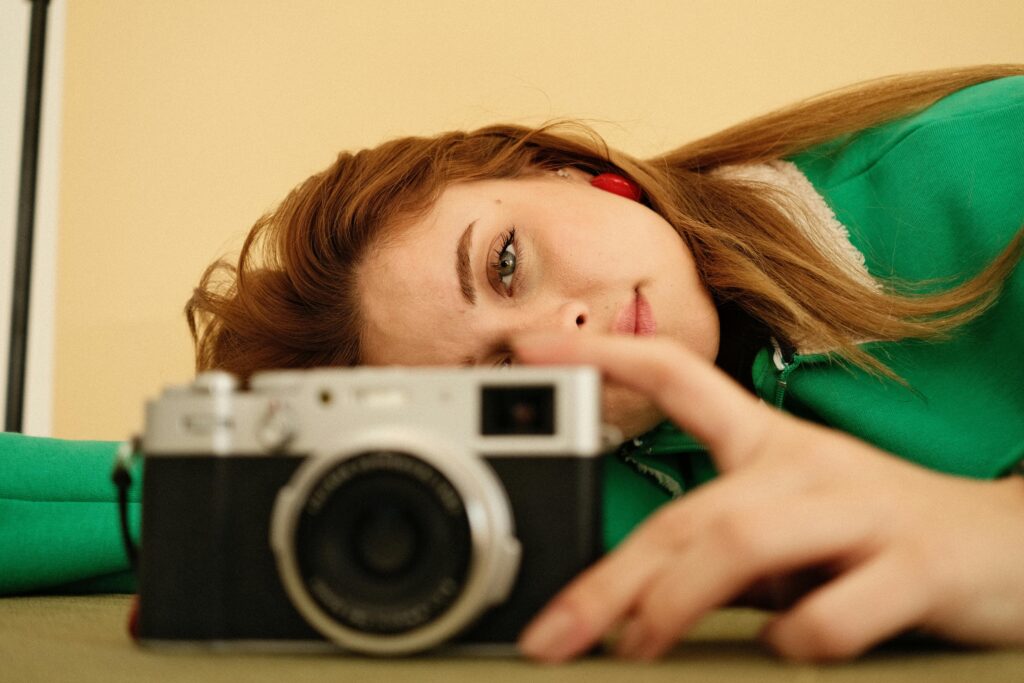
Accessories play a powerful role in enhancing a personal style lifestyle. Items such as bags, shoes, watches, scarves, or jewelry add personality to even the simplest outfits. Thoughtfully chosen accessories help define individuality without overwhelming the overall look. They act as subtle extensions of personal taste.
Building personal style becomes more refined when accessories are used intentionally. Rather than collecting many statement pieces, selecting versatile accessories that complement multiple outfits creates balance. A personal style lifestyle benefits from accessories that align with comfort and daily needs. This thoughtful use of details strengthens overall appearance while maintaining ease and practicality.
6. Let Confidence Guide Your Fashion Choices
Confidence is at the heart of a successful personal style lifestyle. Clothing that feels authentic naturally boosts self-assurance. When individuals trust their fashion instincts, they are less influenced by external opinions or fleeting trends. This confidence reflects in posture, communication, and presence.
Building personal style requires self-acceptance and patience. Confidence grows as people become more comfortable expressing themselves through clothing. A personal style lifestyle supports this journey by encouraging choices that feel genuine rather than imposed. Over time, fashion becomes a tool for self-expression rather than validation.
The Role of Mindset in Building Personal Style
Mindset significantly influences how personal style develops. A positive and open mindset allows individuals to explore fashion without fear of judgment. Viewing style as a personal journey rather than a destination creates freedom and creativity. This perspective supports long-term growth and adaptability.
Building personal style through the right mindset involves experimentation and reflection. Mistakes become learning experiences rather than setbacks. A personal style lifestyle thrives when fashion is approached with curiosity and self-awareness. This mindset fosters confidence and authenticity in everyday clothing choices.
Balancing Trends and Timeless Fashion
Trends come and go, but a personal style lifestyle relies on balance. While trends can offer inspiration, timeless pieces provide stability. Understanding which trends align with personal preferences helps maintain consistency without feeling outdated or overwhelmed.
Building personal style involves selectively integrating trends that enhance rather than disrupt existing wardrobes. A personal style lifestyle becomes more sustainable when trends are adapted thoughtfully. This balance ensures fashion remains current while staying true to individual identity and daily needs.
Creating a Signature Look That Feels Authentic
A signature look is a natural extension of a personal style lifestyle. It develops when clothing choices consistently reflect personality, comfort, and lifestyle needs. A signature look does not rely on one specific outfit but rather a recognizable pattern in colors, silhouettes, and accessories. Over time, these repeated elements create a cohesive and authentic visual identity.
Building personal style through a signature look requires observation and refinement. Individuals often notice that certain combinations make them feel more confident and comfortable. A personal style lifestyle encourages leaning into these patterns rather than constantly changing direction. This sense of familiarity strengthens confidence and simplifies everyday outfit choices.
Personal Style Lifestyle for Work and Professional Settings
Work environments often influence fashion decisions, making it important to adapt a personal style lifestyle to professional settings. Office-appropriate clothing can still reflect individuality through fit, color choices, and subtle styling details. Maintaining personal style at work helps create confidence and a sense of identity within professional boundaries.
Building personal style in professional settings involves selecting versatile pieces that balance formality and comfort. Neutral tones, structured silhouettes, and minimal accessories often work well while still allowing room for personal expression. A personal style lifestyle ensures that professional dressing feels aligned with individuality rather than restrictive.
Adapting Personal Style to Different Life Stages
Personal style naturally evolves with life changes such as career shifts, lifestyle adjustments, or personal growth. A personal style lifestyle allows for flexibility while maintaining a sense of continuity. Rather than starting over, individuals adapt existing preferences to new circumstances.
Building personal style across life stages involves reassessing comfort needs, responsibilities, and daily routines. What worked in one phase may need refinement in another. A personal style lifestyle supports this evolution by encouraging intentional adjustments instead of drastic changes. This adaptability keeps style relevant and meaningful over time.
Minimalism and Personal Style Lifestyle
Minimalism often complements a personal style lifestyle by emphasizing quality over quantity. A minimalist approach focuses on fewer but more versatile pieces that align with daily needs. This reduces decision fatigue and creates a clearer sense of style direction.
Building personal style through minimalism encourages thoughtful selection of clothing items. Each piece serves a purpose and contributes to a cohesive wardrobe. A personal style lifestyle rooted in minimalism supports ease, clarity, and long-term satisfaction with fashion choices.
Personal Style Lifestyle and Sustainable Fashion Choices
Sustainability has become increasingly relevant in modern fashion discussions. A personal style lifestyle naturally aligns with sustainable choices by prioritizing longevity and mindful consumption. Instead of chasing trends, individuals invest in pieces that last and remain wearable across seasons.
Building personal style with sustainability in mind involves choosing durable materials, ethical brands, and versatile designs. This approach reduces waste and supports responsible fashion practices. A personal style lifestyle that values sustainability reflects awareness and intention in everyday clothing decisions.
How Personal Style Lifestyle Shapes Daily Decisions
A personal style lifestyle quietly influences many daily decisions beyond clothing. When individuals understand their style preferences, they spend less time questioning what to wear and more time focusing on their day. This clarity simplifies routines and creates a sense of order. Fashion choices become supportive rather than stressful.
Building personal style helps create consistency in decision-making. Outfits feel aligned with mood, environment, and purpose. A personal style lifestyle allows clothing to blend naturally into daily life, reducing unnecessary complexity. This sense of alignment strengthens confidence and promotes ease in everyday routines.
How Colors Influence Personal Style Expression
Color plays a vital role in shaping a personal style lifestyle. Different colors evoke different emotions and can influence confidence levels. Some individuals feel empowered by neutral tones, while others express creativity through vibrant hues. Understanding personal color preferences supports authentic self-expression.
Building personal style through color awareness helps create outfits that feel harmonious. A personal style lifestyle benefits when colors are chosen intentionally rather than randomly. Over time, preferred color palettes emerge, contributing to a cohesive and recognizable style identity.
Personal Style Lifestyle and Everyday Outfit Planning
Everyday outfit planning becomes easier when guided by a personal style lifestyle. Knowing which silhouettes, colors, and fabrics work best reduces daily decision fatigue. Planning outfits becomes a thoughtful habit rather than a rushed task.
Building personal style supports smoother outfit planning by creating consistency. A personal style lifestyle encourages preparation and intention, allowing fashion to fit naturally into daily schedules. This approach saves time while maintaining a polished appearance.
Why Consistency Matters More Than Perfection in Style
Consistency is more impactful than perfection when developing a personal style lifestyle. Attempting to achieve flawless outfits can create unnecessary pressure. Instead, consistent alignment with personal preferences builds confidence over time.
Building personal style is a gradual process shaped by experience. A personal style lifestyle values authenticity over perfection. This mindset allows fashion to evolve naturally, supporting self-expression without stress or unrealistic expectations.
Personal Style Lifestyle as a Form of Self-Expression
Fashion serves as a powerful form of self-expression within a personal style lifestyle. Clothing communicates personality, mood, and values without words. When style choices feel authentic, they support emotional well-being and self-confidence.
Building personal style enhances this form of expression by aligning fashion with identity. A personal style lifestyle encourages individuals to dress in ways that reflect who they are rather than who they feel pressured to be. This authenticity strengthens emotional connection to personal style.
Common Mistakes to Avoid While Building Personal Style
One common mistake while building personal style is relying too heavily on trends without considering personal comfort. Trends may look appealing but often fail to suit individual lifestyles. Another mistake is purchasing clothing without understanding how it fits into daily routines.
A personal style lifestyle benefits from patience and reflection. Avoiding impulsive choices helps create a wardrobe that feels cohesive and practical. Building personal style requires awareness and intention rather than urgency.
Personal Style Lifestyle and Modern Fashion Trends
Modern fashion trends increasingly emphasize individuality and comfort. A personal style lifestyle fits well within this shift, as it prioritizes authenticity over imitation. Trends now serve as inspiration rather than rules.
Building personal style allows individuals to adapt trends selectively. A personal style lifestyle evolves alongside fashion changes while remaining grounded in personal identity. This balance ensures relevance without sacrificing individuality.
A personal style lifestyle develops when fashion choices begin to feel intuitive rather than forced. Over time, individuals start recognizing which outfits support their daily routines and emotional comfort. Clothing becomes a tool that enhances confidence instead of creating uncertainty.
This natural alignment reduces decision fatigue and allows people to focus on their responsibilities with ease. When fashion works in harmony with lifestyle, personal style feels effortless and sustainable.
Building personal style often involves refining preferences through experience rather than perfection. As individuals experiment with different looks, they learn what truly suits their body, personality, and daily needs. This process encourages patience and self-acceptance. A personal style lifestyle supports this journey by allowing growth and change without pressure. Fashion becomes an evolving reflection of personal identity rather than a fixed image.
Consistency plays a crucial role in strengthening a personal style lifestyle. Repeatedly choosing outfits that feel authentic creates familiarity and confidence. Over time, this consistency shapes a recognizable style identity. Building personal style through steady choices helps create a wardrobe that feels cohesive and practical. This long-term approach allows fashion to remain relevant and meaningful across different phases of life.
Conclusion
A personal style lifestyle represents a thoughtful approach to fashion that values comfort, authenticity, and consistency. Rather than chasing trends, it focuses on building a wardrobe that supports daily life and personal expression. Over time, this approach simplifies routines and strengthens confidence.
Building personal style is an ongoing journey shaped by self-awareness and experience. A personal style lifestyle allows fashion to become a supportive and expressive part of everyday living. Through mindful choices and consistency, personal style grows naturally and meaningfully.